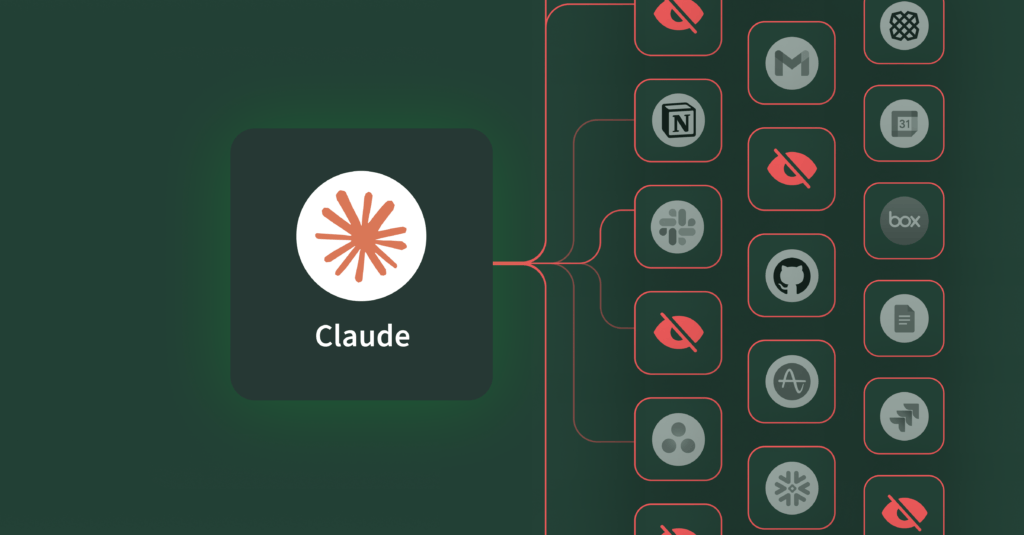
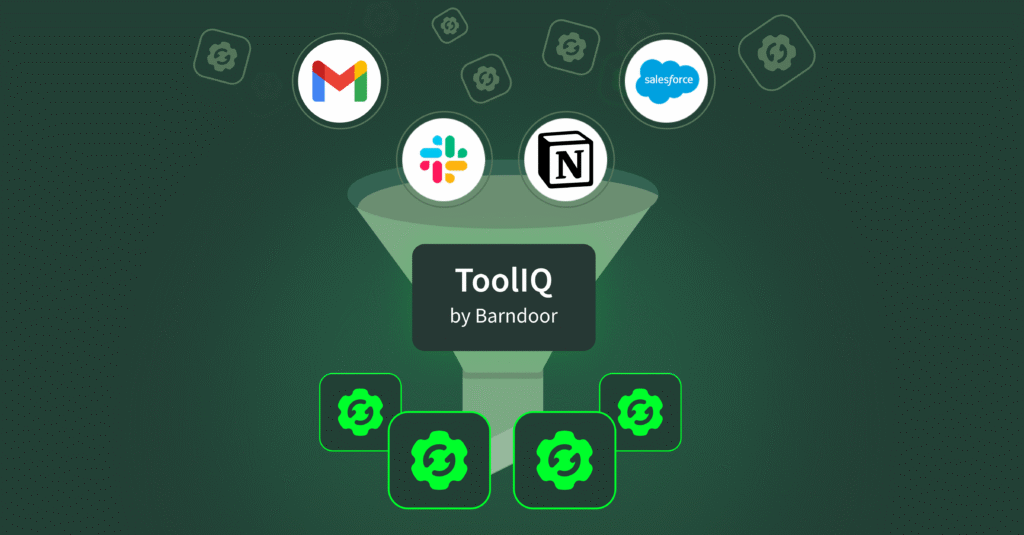
If you’re an enterprise technology leader, you’ve probably been told to worry about “AI sprawl”: the proliferation of AI agents across your organization with every team adopting their own tools rather than standardizing on a single platform or client.
But what if this diversity of agents is actually your competitive advantage? Just like you need humans with diverse skills and experience to carry out all the different functions of your business, you need agents that excel at a wide variety of specific tasks. And with the right technology, effectively managing this AI workforce can be easier than you think.
In this post, we’ll explore why AI sprawl is something to embrace, not fear, and offer advice on developing a scalable approach to managing the agentic enterprise.
Why AI Sprawl is Actually a Good Thing
AI is only beginning to fundamentally change the way we work. Three years after ChatGPT’s release, many enterprises are still stuck at what Box co-founder Aaron Levie described as “a glimmer of how everything is going to be different going forward.” They’re limited to incremental productivity gains from tools like coding copilots and support chatbots. To move beyond becoming moderately more efficient and unlock radical transformation, we need purpose-built AI: technology that changes our working lives by reimagining how we solve specific, tightly defined problems.
Let’s look to the SaaS market for an example of why choosing technology that serves a well-defined purpose can be a winning strategy, even if it means moving away from a platform that serves a broader user group. Figma focused on enabling designers to collaborate and eventually captured significant market share from the previous market leader, Adobe. Today, though many companies pay for Adobe’s Creative Suite to use tools like Acrobat and Illustrator, they also give their designers access to their collaborative platform of choice: Figma.
With Figma, design teams are more productive than they would be with traditional tools that don’t offer the same capabilities. A company that insisted its designers use a less powerful tool would likely suffer a loss of productivity (and perhaps an exodus of talent, as employees look for new workplaces where they can use their tools of choice).
We expect the agentic AI market to evolve similarly to the SaaS market. Just as no company has only one piece of software — and no single piece of software does everything you need — companies will deploy the best AI tool or build a new agent for the task at hand, instead of trying to force all your employees to adopt a smaller, more manageable number of tools and agents.
If your enterprise wants to realize the potential of AI to drive efficiency and grow revenue, you can expect to deal with hundreds or even thousands of agents. Each will specialize in specific tasks across your tech stack, from updating Salesforce records to analyzing customer support data to automating document workflows. This ecosystem is your competitive advantage — if you can manage it properly.
What It Takes to Manage AI Sprawl
Managing AI sprawl is very different from managing SaaS sprawl. In some ways, managing AI agents is more like managing a human workforce. Whether you’re dealing with people or agents, you need to be able to control what data and systems they can access and how they use them and monitor their performance.
However, traditional identity and access management tools designed for humans aren’t sufficient for governing agents. When an agent operates autonomously across your systems — at machine speed and scale — the risk profile changes dramatically. An employee might accidentally modify six customer records in Salesforce, but an agent with the same permissions could modify six thousand records in seconds, triggering cascading errors throughout your downstream systems. This requires more granular and context-aware controls than traditional IAM solutions provide.
Not to mention that the rapid proliferation of agents will quickly outpace any IT or security team’s capabilities. Each agent may offer some level of ability to configure permissions and access controls, but managing all your agents individually is a recipe for chaos. Consider these scenarios:
- If you implement a single change in your policy, how do you implement it across dozens or hundreds of agents?
- If you bring in a new agent, how can you easily set it up to have similar permissions to agents with similar capabilities — and quickly, so business users can gain value fast?
- If a new human joins the team or leaves the team, how would you efficiently update access permissions for all relevant AI tools and agents at scale?
Finding a solution to these challenges now will set your organization up to rapidly adopt agentic AI without letting unchecked sprawl slow you down.
Embrace and Control AI Sprawl With Barndoor
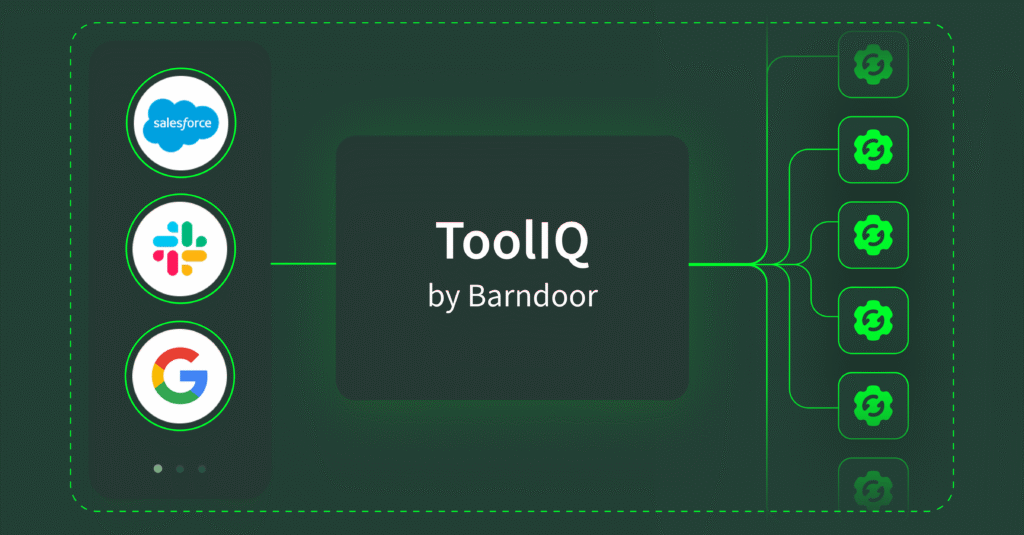
Barndoor is the control plane for the agentic enterprise. With Barndoor, you can connect your agents to services, set granular access controls, observe every interaction — all in one single pane of glass.
- Securely onboard your agents: Connect with secure MCP servers so your agents can access the services they need while maintaining security protocols.
- Apply granular access controls: Determine precisely what data and systems each AI agent can access, and what actions they can take based on the person using it.
- Gain visibility to drive better decisions: Monitor agent performance and interactions to optimize their effectiveness and address potential issues.
Learn how Barndoor provides the management and governance tools you need to grow your AI capabilities confidently. Join the waitlist now.